


Tous les produits
-
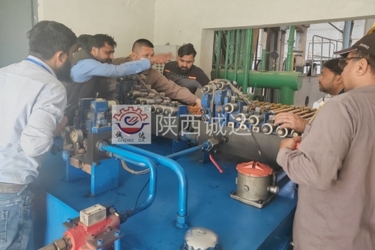 Syed Rashid Ahmed ButtShaanxi Chengda Industrial Furnace Co., Ltd. a terminé la mise en service du four à arc électrique, les travailleurs ont coopéré avec les ingénieurs de Chengda pour apprendre et utiliser l'équipement,Il souligne l'amitié profonde et l'excellente coopération entre les peuples chinois et pakistanais..
 -
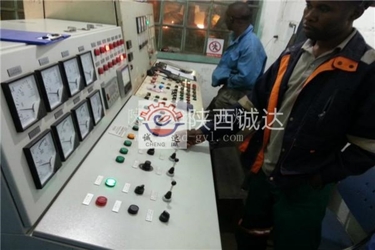 AboubacarAprès plus d'un mois de production intense et de débogage,2 ensembles d'équipements de chambre de dépôt de gaz de combustion ont été mis en service avec succès ~ Tout le personnel impliqué dans le projet a travaillé dur- Je ne sais pas.
 -
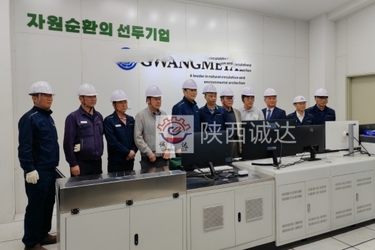 Je suis Ji-hwan.Je vous félicite chaleureusement. La société de fabrication de fours industriels Shaanxi Chengda en Corée du Sud,Installation d'équipements pour les fours de fusion de métaux précieux du comté de North Chungcheong, fabrication minutieuse et mise en service stricte, dans l'attente de l'avenir dans plus de domaines pour parvenir à une coopération mutuellement bénéfique!
Personne à contacter :
Du
Numéro de téléphone :
13991381852
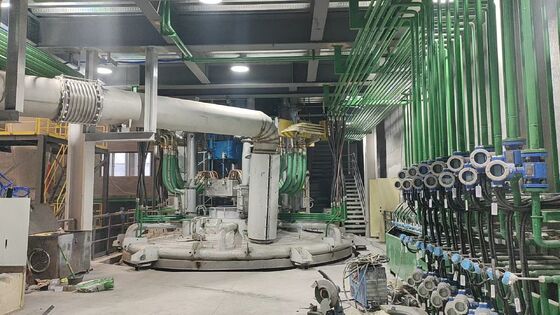
Fourneau électrique à la laine de roche Fly Ash
| Lieu d'origine | Chine |
|---|---|
| Nom de marque | Shaanxi Chengda |
| Certification | ISO 9001 |
| Numéro de modèle | Négocier en fonction de la capacité de traitement des équipements |
| Quantité de commande min | 1 unité |
| Prix | The price will be negotiated based on the technical requirements and supply scope of Party A |
| Détails d'emballage | Discuter selon les exigences spécifiques de la partie A |
| Délai de livraison | 2 mois |
| Conditions de paiement | LC, T/T, Western Union |
| Capacité d'approvisionnement | Chaîne d'approvisionnement de production complète, livraison à temps et respect des normes de qu |
Détails sur le produit
| Mettre en évidence | fourneau à laine de roche à cendres volantes,four électrique pour déchets dangereux,fourneau de traitement des déchets solides |
||
|---|---|---|---|
Description de produit
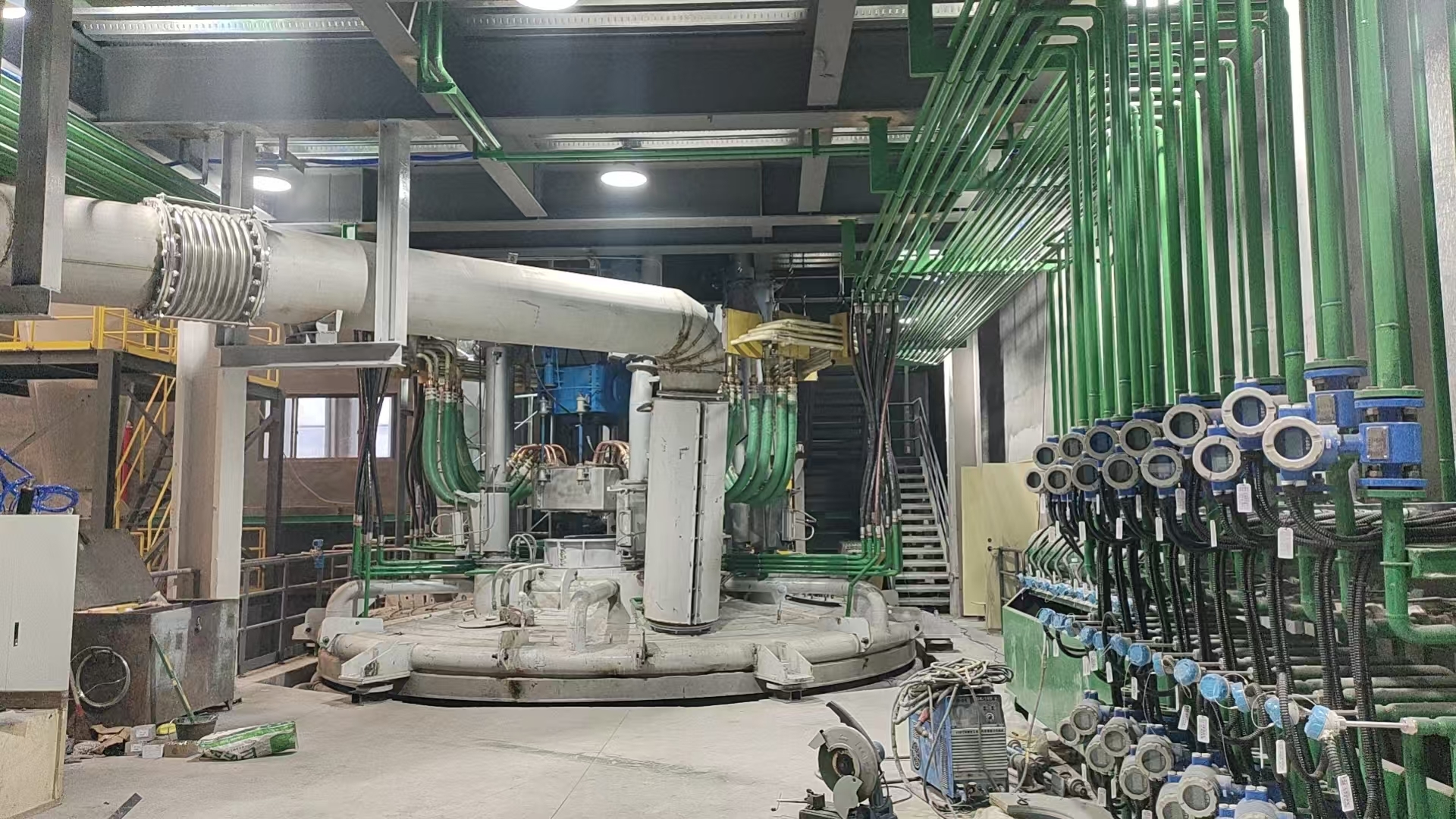
Introduction au four électrique en laine de roche Fly Ash
Le four électrique Fly Ash Rock Wool est un four électrique spécialisé à arc submergé conçu pourvitrification à haute température des cendres volantes d'incinération de déchets municipaux solidesIl convertit les cendres volantes dangereuses en laine de roche à valeur ajoutée par chauffage électrique,réaliser simultanément un élimination inoffensive et un recyclage des ressources.
Principe de travail de base
- Préparation des matières premières: Les cendres volantes sont mélangées à des modificateurs (p. ex. chaux, feldspath) pour ajuster le coefficient d'acidité (1,5 ∼ 2,0) et la viscosité de fusion.
- Fusion électrique: L'alimentation en courant alternatif ou en courant continu à trois phases génère des arcs submergés, chauffant le four à1,350 ∼ 1,550°Cpour faire fondre complètement le mélange en des scories fondues homogènes.
- Vitrification et purification: La haute température décompose les dioxines (taux de destruction > 99,99%) et stabilise les métaux lourds en phase vitrée.
- Formation des fibres: Les scories fondues circulent en continu vers une centrifugeuse à3.3 ∙4.0 t/hpour former des fibres de laine de roche.
Structure principale
- Corps du four: en acier avec revêtement ignifuge MgO-C de haute pureté, résistant aux températures élevées et aux scories corrosives.
- Système d'électrodes: 3 électrodes de graphite (φ400 ∼ 600 mm) avec levage automatique; alimentées par un transformateur dédié.
- Énergie: Capacité du transformateur3,000 ‰ 10 000 kVA(commune: 5 000 à 7 500 kVA).
- Tentez et appuyez: inclinaison hydraulique (maximum 45°) et tapage du fond pour déchargement continu de la slag.
- Système de contrôle: PLC/DCS pour la régulation automatique de la température, de la puissance et du débit.
- Systèmes auxiliaires: collecte des poussières, récupération de la chaleur résiduelle et traitement des gaz de combustion.
Paramètres techniques typiques
| Paramètre | Dimension commune | Un four typique de 7 500 kVA |
|---|---|---|
| Capacité du transformateur | 3,000 ‰ 10 000 kVA | 7,500 kVA |
| Identifiant de la coque du four | φ5,200 ∼6,500 mm | φ6,200 mm |
| Température de fusion | 1,350 ∼ 1,550°C | 1,450°C |
| Taux de débit de fumier | 3.3 ∙4.0 t/h | 3.8 tonnes/h |
| Coefficient d'acidité de l'escargot | 1.5 ¢2.0 | 10,8 ± 0.3 |
| Cycle de fusion | Opération continue. | > 8 000 heures/an |
| Produit horaire (laine de roche) | 4'6 t/h | 5.5 tonnes/h |
| Capacité annuelle | 3050 000 t | 45,000 t |
| Consommation de puissance par unité | 300 à 400 kWh/t | 350 kWh/t |
| Consommation d'électrodes | 1.5·2,5 kg/t | 20,0 kg/t |
| Taux de destruction des dioxines | > 99,99% | > 99,99% |
| Réduction du carbone | ~ 245 kg de CO2/t | ~ 245 kg de CO2/t |
Spécifications du produit (laine de roche)
| Nom de l'article | La norme |
|---|---|
| Densité | 60 à 150 kg/m3 |
| Conductivité thermique | ≤ 0,044 W/m·K |
| Coefficient d'acidité | ≥ 1.8 |
| Diamètre de la fibre | ≤ 7,0 μm |
| Résistance au feu | Non-combustibles (classe A) |
| La lixiviation des métaux lourds | Conforme à la norme GB/T 410152021 |
Principaux avantages
- Une élimination inoffensive: Détruit les dioxines et stabilise les métaux lourds, conformément aux normes de traitement des cendres volantes.
- Recyclage des ressources: transforme les déchets dangereux en matériaux isolants de grande valeur.
- Efficacité énergétique: Le chauffage électrique réduit la consommation d'énergie de plus de 40% par rapport aux dômes au coke.
- Qualité stable: Un contrôle précis de la température assure des propriétés uniformes des fibres.
- Faible émission: Près de zéro pollution par la poussière et les gaz de combustion.
- Longue durée de vie: fonctionnement continu > 8 000 heures par an.
Procédure de demande typique
- Parcellement: cendres volantes + modificateurs → proportionnement et mélange.
- Chargement: alimentation continue dans le four électrique.
- Fusillage: chauffage par arc submergé pour former des scories fondues.
- Raffinage: homogénéisation des boues et élimination des impuretés.
- Fibration: déchets → centrifugeuses → fibres de laine de roche.
- Post-traitement: refroidissement, durcissement et découpe en produits finis.
Applications
- Traitement des déchets: élimination inoffensive des cendres volantes provenant de l'incinération de déchets solides municipaux.
- Isolement des bâtiments: laine de roche haute performance pour murs, toits et conduites.
- Isolement industriel: Isolation à haute température des fours et des équipements.
produits recommandés
